2026-10-11 ·
Temporary Roof Leak Fixes: Tarping & What NOT to Do
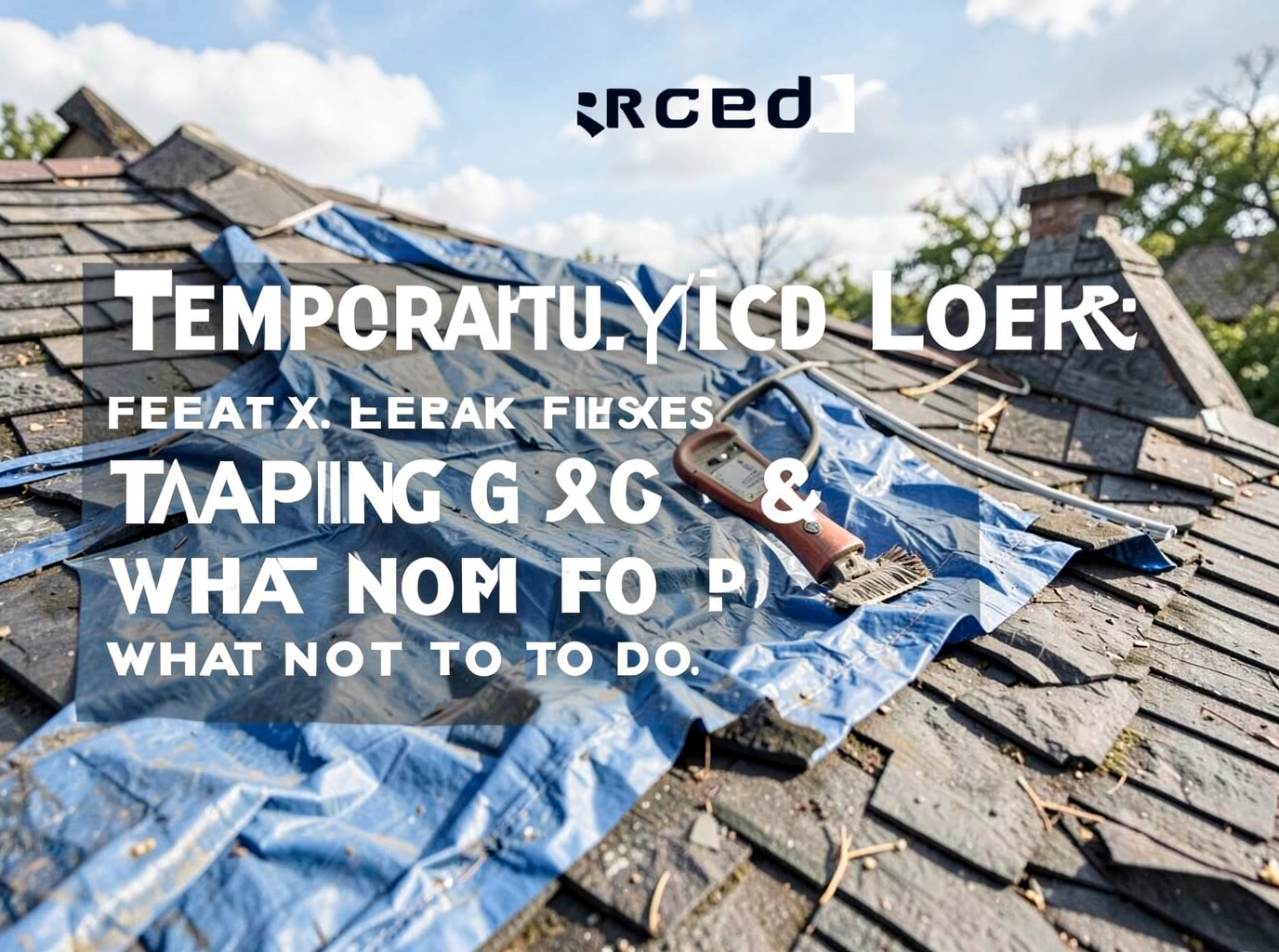
In Merced's hot-summer Mediterranean climate, a properly installed tarp over a leak can hold back water for weeks when permanent repairs must wait, provided the tarp is anchored to solid decking and sealed at the edges with compatible flashing tape.
Why Tarping Succeeds or Fails in Merced County
Merced County homes built before the 1980s often carry composition shingles that become brittle after repeated Central Valley heat cycles. When a leak appears near a pipe boot or valley in North Merced or South Merced, a tarp buys time only if it covers at least three feet past the damaged area in every direction. The dry summers reduce immediate water volume, yet afternoon winds can lift poorly secured edges and drive debris under the tarp. Older tile roofs common around the Merced County Courthouse require different anchoring points than asphalt shingles to avoid cracking additional tiles. A tarp left in place through the first fall rains without inspection frequently traps moisture against the decking, accelerating rot in the rafters.
Materials and Attachment Methods That Hold
Use a reinforced polyethylene tarp rated for at least 10 mil thickness rather than lightweight painter's plastic. Secure the top edge first with 1x4 battens screwed into rafters, not just shingles, then work downward so water flows over each subsequent layer. In Downtown Merced, where roof pitches are often steeper, add horizontal strapping every four feet to prevent billowing. Avoid roofing nails that penetrate the decking; instead use screws with rubber washers that can be removed without creating new holes. Extend the tarp past the eave by six inches and weight the lower edge with sandbags placed on the gutter line rather than on the roof surface itself.
Mistakes That Turn a Small Leak Into Major Damage
Many homeowners staple a tarp directly through the shingles, creating dozens of new entry points once the tarp is removed. Others stop the tarp short of the ridge, allowing wind-driven rain to enter from above during the occasional winter storm that reaches Merced from the coast. Placing the tarp only over visible interior stains ignores the fact that water often travels laterally along the underlayment before dripping, especially on the low-slope sections found in some South Merced additions. Leaving the tarp through an entire summer exposes it to UV degradation that makes the material brittle and prone to tearing when fall winds arrive.
When Temporary Tarping Must Lead to Permanent Repairs
Once the immediate water entry is controlled, schedule a full Roof Leak Detection & Inspection to locate every compromised area. Tarps are not a substitute for replacing damaged underlayment or flashing, particularly on homes near Applegate Park where tree debris accelerates granule loss. If the leak originated from storm damage, review coverage details in the Does Homeowners Insurance Cover Roof Leaks? (Claims Guide) before the temporary fix is removed. In Atwater and Turlock, where similar housing stock exists, the same sequence applies: tarp first, then diagnose.
Seasonal Timing and Follow-Up Checks
Because Merced summers stay dry, a tarp installed in June can remain serviceable into September if checked monthly for loose fasteners and edge lift. Before the first measurable rain, replace the tarp with a permanent Shingle Roof Leak Repair or Tile & Slate Roof Leak Repair solution. Homeowners in Central Merced who skip this step often discover that trapped heat under the tarp has dried out remaining shingles, making them more likely to crack during the next temperature swing. Regular visual checks from a ladder, combined with the practices outlined in the Merced Seasonal Roof Maintenance Checklist (Spring/Fall), keep small issues from becoming structural repairs.